Mold 2.0
By Ann Constantino,
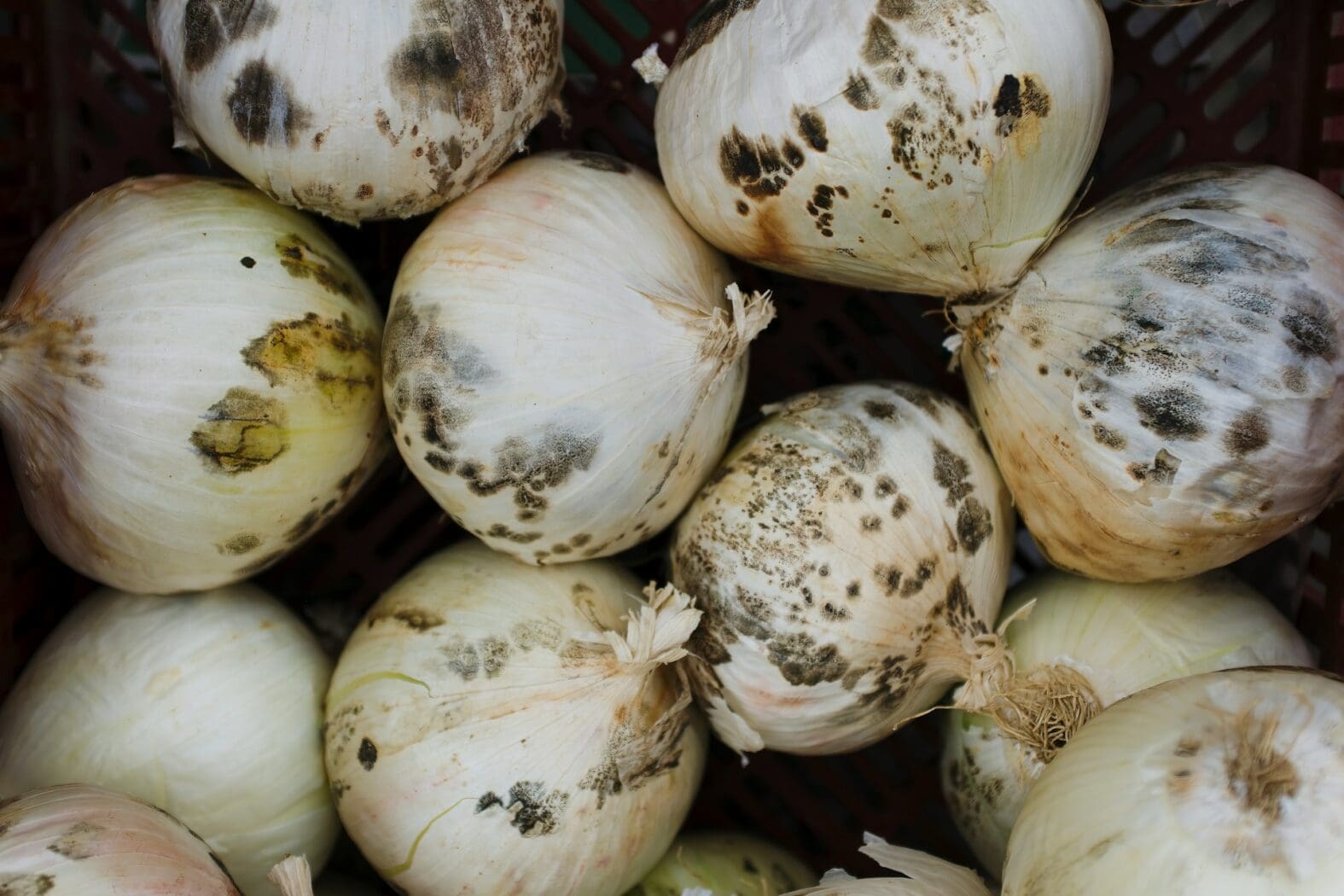
Photo by Eric Prouzet on Unsplash.
Last time we learned that mold is a type of fungus and that its presence in your house can cause health issues from mild to severe in sensitive individuals who breathe in the spores it uses to reproduce.
Mold in the kitchen
Moisture and mold are bosom buddies.
But the story doesn’t end there. Other types of mold can grow almost anywhere there is moisture on a surface it can adhere to and which provides nourishment. In your kitchen are many such surfaces, and almost surely, there is food that mold likes. And some molds are used to create delicious foods we enjoy and even have health benefits, while still others appearing on foods unintentionally are cause for the food to be disposed of.
While less of a health concern than widespread mold invasions discussed last time, the small amounts of mold populating your fridge gasket or blender blades often can go unnoticed and may still lead to health issues, especially among sensitive individuals.
Moisture and mold are bosom buddies, so if you have one you likely have the other, especially in the kitchen. Coffee machines, blenders, dish towels, dish drainers, etc. are all good mold habitat in the average kitchen. Fridges, both inside, especially on lower shelves or wherever a spill may have occurred, and on the gasket sealing the cold air in as well as enduring cycles of condensation when the door is opened frequently, are also colonized by mold.
As with the more widespread mold discussed previously, harsh chemicals used to eradicate kitchen mold can complicate the problem as we often also have sensitivities to cleaning products such as aerosols, bleach, and some detergents, exposure to which can cause many of the same symptoms mold spores can cause.
Vinegar and water solutions and baking soda solutions are recommended not only to protect against reactions to harsh chemicals, but also because they are less likely to degrade surfaces like the gaskets on your fridge, blender lid, or coffee machine when used to wipe out sneaky populations of mold.
Desertification of the planet: bad. Desertification of your kitchen: good.
Keeping your kitchen appliances, fridge, dish towels etc. dry is key to avoiding mold colonization. Desertification of the planet: bad. Desertification of your kitchen: good. This requires diligence and may even necessitate a dehumidifier in especially damp environments or where highly sensitive individuals reside.
That said, the accidental ingestion of this type of surface mold does not often cause major health concerns and may not be noticed at all. However, molds often grow alongside bacteria in the kitchen, and if harmful bacteria are consumed, more dangerous reactions can occur. For this reason, if you see mold in your kitchen, it is wise to get rid of it to be on the safe side.
The right kind of mold
The Penicillium molds often protect against other molds and bacteria that spoil the food.
What about the molds we love to eat in our stinky cheeses or our cured meats? They are mostly from the mold family Penicillium. Foods we find delicious, inoculated with mold and the right bacterial ferments, are the result of years, if not centuries, of trial and error experimentation and refinement, and in many cases are considered delicacies. The famous Italian green-veined gorgonzola is one of the oldest known moldy cheeses, and was cultivated in caves as early as 879 AD. The Penicillium molds often protect against other molds and bacteria that spoil the food, preserving it in times before the advent of refrigeration. Even so, some sensitive individuals can have allergic reactions to some of these foods.
Mold from the family Rhizopus is used to create tempeh, a centuries-old Indonesian invention that has been an excellent source of plant protein that preserves soybeans and enhances their nutritional value and digestibility.
Mold from the family Aspergillus, also known as koji, is used to create miso from soybeans and various grains. This mold breaks down the starches and proteins in the food and leaves the well-known paste with its delectable umami flavor.
Even some wines, such as Sauternes, are injected with the Botrytis cineria (“noble rot”) mold to create honey-like flavors in the finished product.
Unintentional mold
While enjoying the foods intentionally infused with fungus, it’s important to know how to deal with unintentional moldy spoilage of various foods. Most mold that grows unintentionally on foods is harmless or would likely cause no more than a mild stomach upset or a bit of nausea if consumed.
Others, however, might land you in the ER with severe symptoms. There’s no way to know without a microscope and an advanced biology degree, so it’s wise to apply the “when in doubt, throw it out” strategy. Your nose and eyes will likely detect when something is off.
In general, if a food is soft and moist and has gathered mold on its visible surfaces, it’s likely that the mold has spread deep into the food and is not safe to eat, whether visible or not.
Harder, drier foods and even breads (whose mold-free life can be extended by putting them in the fridge) are usually safe to eat once you have removed all visible traces of mold and trimmed one inch beyond the mold’s encroachment.
Wait to rinse or wash produce until you’re ready to prepare and consume.
Wait to rinse or wash produce until you’re ready to prepare and consume it because those water droplets left on your beautiful basket of raspberries you washed as soon as you brought them home will likely bring on the dreaded berry fuzz that spoils them before their time.
When you find food compromised by mold, dispose of it by sealing it in some kind of bag (compostable if that’s your jam) to avoid breathing in the spores.
Cooking or freezing the damaged food does not necessarily destroy potential toxins, so it needs to go. Again, when in doubt….
Try not to torture yourself with expiration dates. They are an estimate at best. There’s no telling, especially during summer months, what conditions refrigerated food has endured on its way to you. Some foods are fine a few days past the expiration date, so again, use your nose and eyes.
Molds are everywhere. They were here before us and will likely be here after we’re gone. They are essential to the cycles of life on Earth as they break down organic materials for repurposing in the future. Many are harmless to all, some are harmful to some. Know your sensitivities, reduce concentrations of moisture in your home, especially kitchens and bathrooms, and avoid toxic chemicals to remove them when found. We inhale between 1,000 and 10,000,000,000 mold spores every day. Think of the delightful smell of our redwood forests and allow these naturally occurring fungi to be your friends. We are all in this together.
Ann Constantino, submitted on behalf of the SoHum Health’s Outreach department.