Dream On
By Ann Constantino,
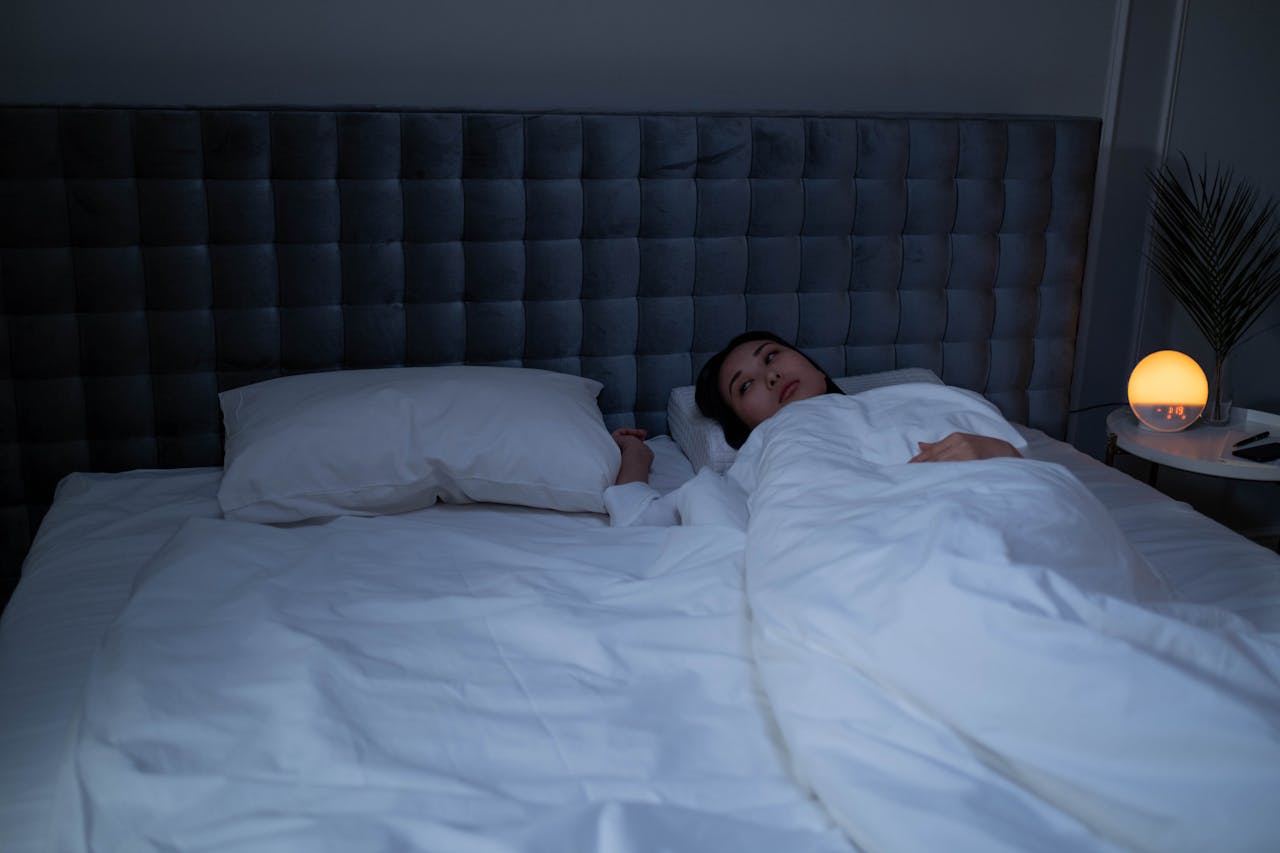
Photo by cottonbro studio.
Up to twelve percent of Americans suffer from chronic insomnia disorder, and as many as thirty percent of us report short-term difficulties getting enough zzz’s, classified as acute insomnia.
Chronic vs. acute insomnia
To be considered chronic, a patient experiences insomnia symptoms at least three nights a week for three months or more. Acute insomnia generally resolves within a few days or weeks and often has a specific cause that can be pointed to, such as a stressful life event or trauma.
It shares many of the same symptoms with chronic insomnia: difficulty drifting off and/or staying asleep, waking too early, no sense of refreshment in the morning, and continuing fatigue throughout the day. When a short-term case stretches into chronic territory, health concerns arise.
Chronic insomnia can lead to serious long-term health issues such as hypertension, higher risk of cognitive disorders, higher risk of type 2 diabetes, systemic inflammation, and compromised immune function.
Acute insomnia can cause short-term issues ranging from daytime fatigue, irritability, and memory issues to loss of productivity, increased risk of accidents, and mood swings.
Interestingly, only 1-2% of the population in non-industrialized countries experience chronic insomnia.
Good sleep = good health
Good sleep is defined as a sequence of 4-5 90-minute cycles per night.
Sufferers of insomnia will not be surprised to learn that sleep deprivation is a form of torture that has been used since ancient Roman times. In modern times, sleep deprivation has been declared a violation of the basic human right to health and has been outlawed as a form of torture by the United Nations and the European Convention on Human Rights.
Sleep science has established that good sleep is essential to good health. Good sleep is defined as a sequence of 4-5 90-minute cycles per night, consisting of periods of light sleep, deep sleep, and rapid eye movement (REM) sleep.
Until about the middle of the 20th century, scientists thought that sleep was merely the body’s downtime, but it is now understood that a number of activities taking place during sleep are essential to physical and mental health.
During healthy sleep cycles in light and deep sleep, the brain reorganizes itself, clears out toxins via the glymphatic system, including those associated with the development of Alzheimer’s disease, and improves memory by moving information from short-term to long-term storage.
REM sleep
During REM sleep, we do most of our dreaming, and our brain waves are similar to those experienced during waking hours. It is believed that the temporary paralysis that occurs during REM sleep prevents us from acting out our dreams. Heart rate, blood pressure, and breath rate increase during this phase, and REM periods last longer and longer with each cycle through the night.
A healthy amount of REM sleep improves the ability to learn.
A healthy amount of REM sleep improves the ability to learn, as the brain carries out self-pruning at this time, leading to enhanced focus. Emotional regulation, including the processing of fear, happens during REM sleep. A 2017 study published in the journal Neurology showed that adequate REM sleep is protective against dementia, as every 1% decrease in the amount of REM sleep leads to a 9% increased risk for dementia. In infants, brain and spinal cord development require up to 50% of total sleep time which can be up to 18 hours a day, to be REM sleep.
Many of the ill effects of chronic insomnia disorder manifest in the disruption of REM sleep. Insomniacs sometimes believe they are awake while actually in REM sleep. Dreams may become so intense that they wake a troubled sleeper, leading to increased anxiety over lack of sleep and an aversion to even trying to sleep. Because REM sleep is decreased in chronic insomnia, many of its benefits are compromised or sacrificed.
Worry over sleep
Knowing how vital consistent good sleep is to health can be a double-edged sword. Studies have shown that worry over sleep issues can lead to exactly the kind of anxiety and depression that contribute to sleeplessness, creating a vicious cycle.
Some scientists suggest that letting go of anxiousness about your sleep can relax you and enable the sandman to visit more readily, but for many, that is a difficult or impossible task.
Because there is a wide spectrum of “normal” needs for sleep, from the overall amount required to whether you are a lark (early riser by nature) or a night owl, science says serious insomnia is characterized by the daytime disruption that results from the lack of sleep.
If you find yourself sluggish, irritable, emotionally unstable, and even clumsy on a regular basis, chances are your insomnia is taking a toll on your overall health. Sometimes we use alcohol or other drugs to knock ourselves out, only to find our natural cycles disrupted, leaving us impaired despite seemingly long hours of sleep.
Insomnia is on the rise in modern society.
Insomnia is on the rise in modern society due to various lifestyle habits such as late night screen time, recreational drugs, economic and social stress, alcohol and caffeine, chronic pain, and a number of medical conditions. It’s normal to have short-term insomnia after a difficult or traumatic life event, and it’s important to consider the context of your sleeplessness.
If a couple weeks turn into three months or more, it’s a good idea to see your provider and get some help working out what is causing your particular case of chronic insomnia. Anxiety and depression, often the most common companions to insomnia, are sometimes seen as the cause and sometimes seen as a result of sleep disorders. Behavioral health providers can help you identify what specifically may be disruptive to your ability to sleep well and guide you to a solution.
Sometimes insomnia can be a symptom of other medical conditions, such as sleep apnea or restless legs syndrome, or a side effect of necessary medications. Working with a provider can help tease out the details of your situation.
Avoiding insomnia
Most doctors agree that staying away from stimulating activities, including bright lights and screens, in the hours leading up to bedtime can be helpful. Keeping a regular sleep schedule by honoring our circadian rhythm that relies on signals from cycles of natural light and dark is recommended. Getting out of bed and going into a different room reduces the likelihood that you associate your bed with frustration rather than sleep and offers a chance at letting sleepiness arrive. Some kinds of cognitive behavioral therapy can be helpful, as can relaxation techniques ranging from deep breathing exercises to meditation to gentle and relaxing movement practices.
More and more research shows that sleep is as important to health as nutrition, physical activity, and social connection. Don’t sleep on getting your rest.
Ann Constantino, submitted on behalf of the SoHum Health’s Outreach department.
Related: Mental Health, Wellness