Breaking the Mold: Part 1
By Ann Constantino,
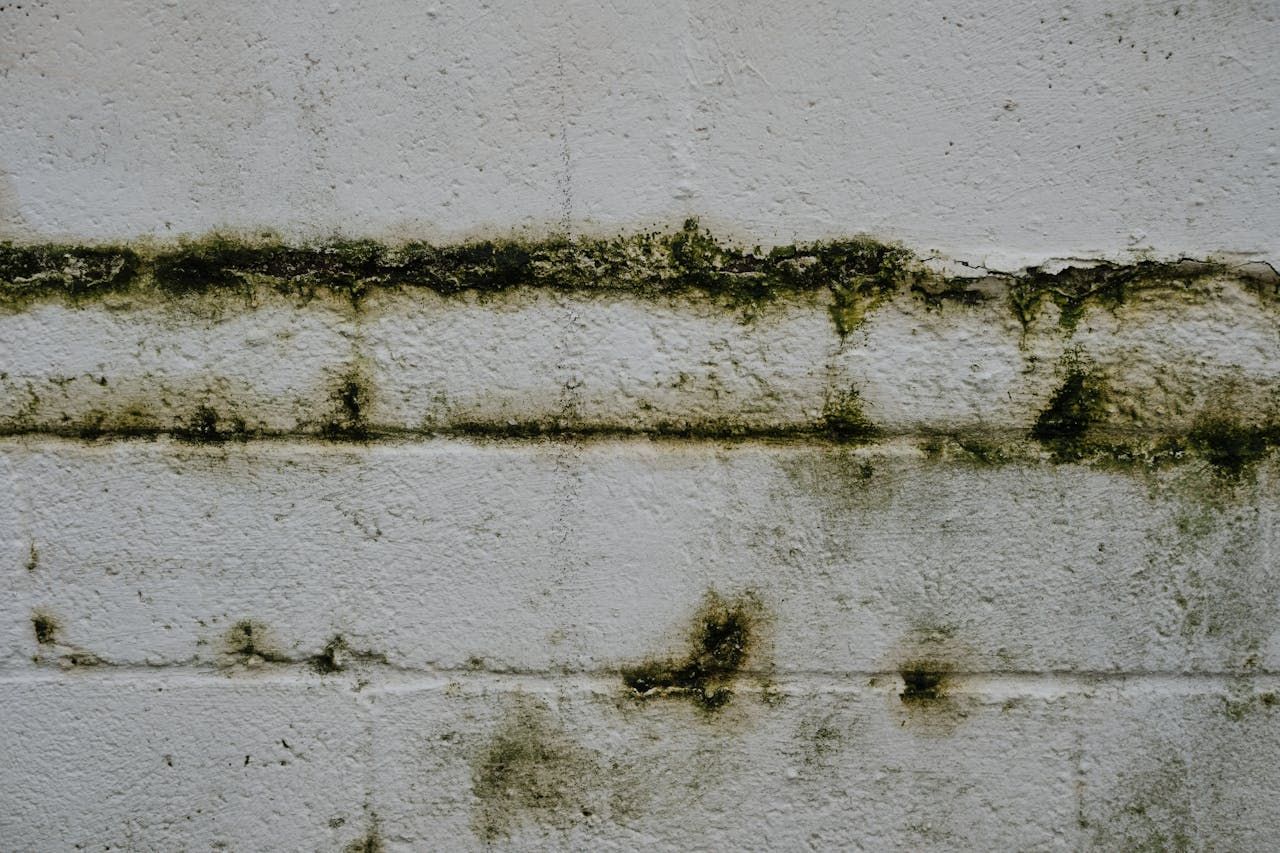
Photo by Rodion Kutsaiev.
Two guys walk into a bar. One suddenly breaks out into a sneezing fit, followed by coughing, watery eyes, and a general feeling of being unwell. The other looks at his friend as if he were nuts and proceeds to the bar to order a drink and a charcuterie board with bleu cheese, sauerkraut, and salami. The first guy staggers outside, where his symptoms begin to calm down eventually.
Fully sated after his meal, including several samples of tasty fungi-rich comestibles, the second guy comes outside to find his friend waiting for him. The two decide to take a siesta under a tree, finding the ground softened by layers of decaying leaves deposited last autumn. Now the first guy settles into a relaxing snooze, but the second guy finds himself sneezing, coughing, tearing up with watery eyes, etc.
It turns out both guys have mold allergies, just not the same ones, and both guys would do well to avoid breathing in the spores that trigger an immune system response in their bodies.
Meet the Fungus Kingdom
Fungi are actually more closely related to animals than plants.
Mold is a member of the Fungus Kingdom, one of several kingdoms of lifeforms whose cell nuclei are bound by a membrane. Fungi are actually more closely related to animals than plants due to several factors, including that they consume food rather than make it, they lack chlorophyll, and their cell walls are not made of cellulose (which, it turns out, is their favorite food!). Fungi split from the plant kingdom between 1 and 1.5 billion years ago, and were essentially animals until splitting from the animal kingdom roughly 9 million years later.
While we enjoy many forms of fungus as gustatory delights, there are mushrooms we don’t eat, or that can even be deadly poisonous to consume. Also in the fungus family are the yeasts, some of whose growth contributes to the craft of bread making, while others can make us miserable when growing inside of us. Rust is another member of the fungus fam, as are the mildews, or powdery fungus. Even lichens, in which algae and fungi combine symbiotically, can be classified as a fungus.
When mold moves indoors
Molds especially thrive in temperatures between 70 and 90 degrees.
Molds are a fungus found everywhere, with thousands of species identified. They exist in abundance outside, where they seldom cause severe problems for humans. It is when they move indoors in unnatural concentrations that they can cause us problems ranging from mild to severe.
The many molds you see in your house have attached themselves to their favorite cellulose-based foods, such as wood, drywall, fabrics, carpeting, and some types of insulation. They especially thrive in temperatures between 70 and 90 degrees Fahrenheit and in environments with over 60% humidity. Modern human dwellings create ideal living conditions for mold, especially in winter when limited ventilation and warm, moist conditions are created every time we cook or bathe. Add a plumbing issue or a leaky roof that allows even more moisture to invade your home, and molds will do their happy dance as they take over the hood. They reproduce by emitting clouds of microscopic spores drifting throughout the airspace of your abode in search of new cellulose-rich surfaces to colonize.
How mold affects the human body
It is the spores that trigger allergic reactions in many people. These reactions can be mild and short-lived or can last for hours or days after exposure, depending on the species of mold and the concentration of spores in the affected environment. In immunocompromised individuals, the risk of a fungal infection increases and anti-fungal medications, ranging from creams to intravenous drugs, may be required to resolve the issue.
Untreated environments can cause long-term symptoms that compromise the quality of life among susceptible people. Brain fog, chronic fatigue, skin rashes, sleep issues, and anxiety have all been reported. In especially vulnerable people, new food sensitivities to high-histamine and fermented foods like aged cheeses, cured meats, krauts, kefir, some fruits and veggies, chocolate, and many more commonly consumed edibles can cause digestive upsets from bloating to constipation or diarrhea.
In many cases, exposure to molds is dealt with by the human immune system. Symptoms are mild and temporary—a seasonal nuisance, but not a threat to general well-being.
Why some people are more sensitive
However, studies have shown that up to 25% of us have a genetic inability to recognize and eliminate the toxins found in mold spores. For those people, advanced treatments are required, including diet modification and professional treatment of the living space. A thorough inspection of the home or other suspected environment, including many work environments, will involve some testing of the air, but now regarded as even more important are moisture sensors that can look for mold-friendly surfaces that we cannot see and may not even suspect.
Specialized testing for mold sensitivity can help determine where your symptoms are coming from.
If you are experiencing symptoms beyond mild sensitivity, consider visiting your provider to inquire about advanced testing available to check your sensitivity level.
Sometimes the waters are muddied by the fact that our winter homes can harbor other toxins due to lack of ventilation. Pet dander, dust mites, carbon monoxide, toxins off-gassed by cleaning products, paints, and new furniture or carpeting also contribute. In an effort to save on heating costs, we over-insulate our indoor spaces, multiplying the concentration of breathable toxins.
Specialized testing for mold sensitivity can help determine where your symptoms are coming from.
In general, and in the spirit of looking out for each other’s welfare, even if you believe you are immune to the effects of breathing in mold spores, it is wise to do as much as you can to eliminate mold from your home.
How to reduce mold in your home
Here are some things to do on a regular basis to prevent mold from causing problems in your home for you and your loved ones:
- Open your windows 10-15 minutes a day, even when it’s cold.
- Wipe condensation off windows and sills every morning.
- Use extractor fans when cooking or bathing.
- Keep room temperatures steady to reduce condensation.
- Keep furniture away from cold exterior walls.
- Don’t overcrowd closets and cupboards
- Encourage air circulation under beds, couches, etc.
- Fix plumbing leaks.
- Prevent water intrusion and find the source of any damp patches in your walls.
- Use dehumidifiers and air purifiers when possible, but know that they do not stop the root problem.
- In extreme cases, consult with mold removal specialists. If your health is suffering, eradication is likely a job for the experts.
Living with mold, wisely
We all breathe in mold spores every day. We don’t all have the same sensitivities or the same degree of sensitivity, but minimizing the potential for toxic reaction can benefit all who share your space. Once you have made your environment as mold-free as possible, you may be able to welcome delicious molds onto your table in the form of a kimchi-gorgonzola-salame sandwich on sourdough. Bon appétit!
Next time: kitchen molds. When to toss it, when it can be salvaged, and what’s that growing on my coffee maker?
We’re all in this together.
Ann Constantino, submitted on behalf of the SoHum Health’s Outreach department.