Spitting Distance
By Ann Constantino,
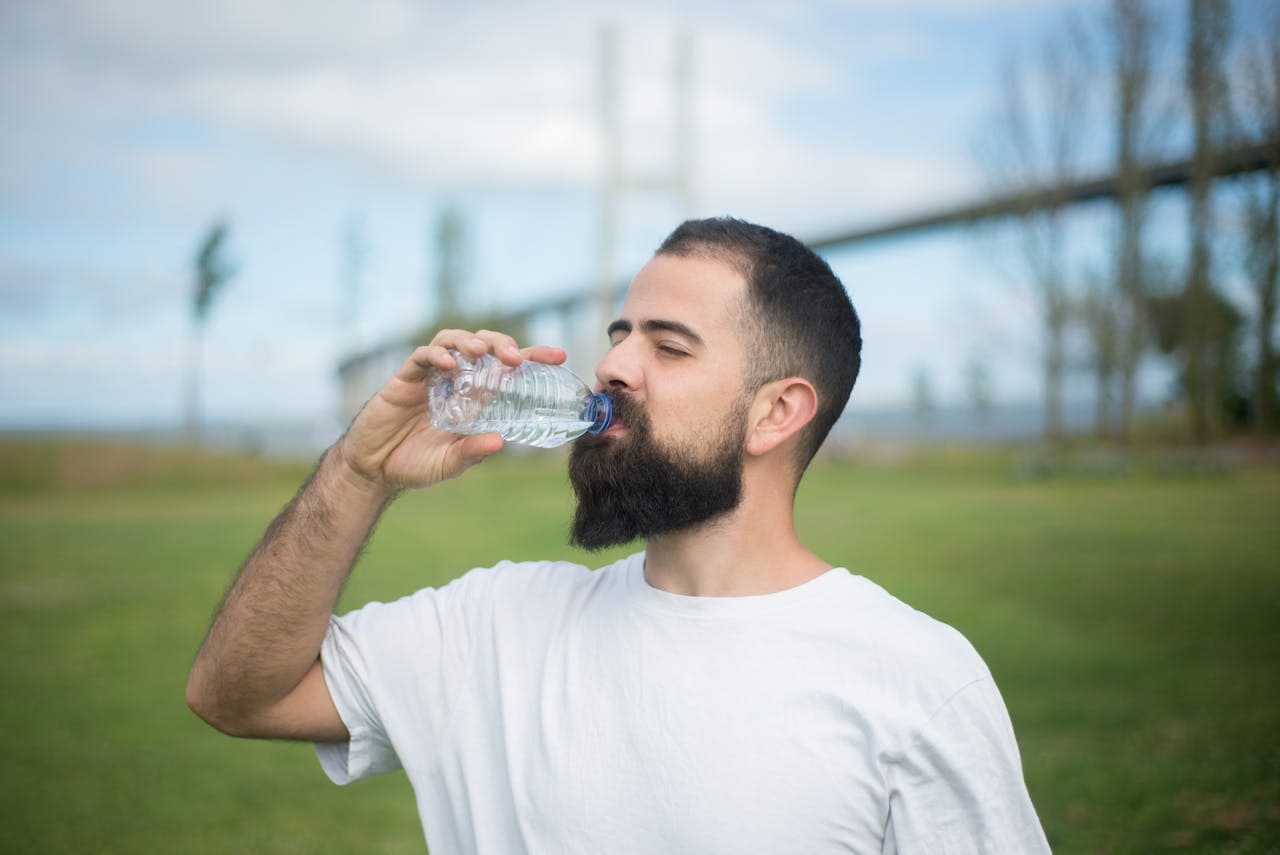
Photo by Kampus Production.
Pop quiz: What substance of the human body fights infection, maintains a steady pH in its environment, helps with digestion, reveals the presence of disease or drugs in the body, repairs tissue, and rhymes with a horseback-riding nude political activist of medieval times?
Did you guess saliva? Then you would be correct. Despite the fact that publicly spitting saliva out of one’s mouth has come to be seen as a cultural no-no, carrying messages of disrespect in some cases or being regarded as unsanitary or uncouth in others, we’d be in trouble without the presence of this 99% water fluid in our mouths.
Where saliva comes from
Saliva is made primarily by three different pairs of glands in the head. The largest of the three sets is the parotid glands, delivering saliva into the mouth from just in front of the ears, behind your back molars. The sublingual glands are just below the tongue, and the submandibular glands are just below the jaw. Both of these sets deliver saliva into the mouth under the tongue. Also contributing to the healthy moisture of the mouth are the hundreds of minor salivary glands located throughout the mouth and throat, on the tongue and lips, and on the upper palate.
How your body controls saliva
The part of the nervous system that controls the body’s automatic functions, called the autonomic nervous system (ANS), determines when saliva is secreted or withheld. The part of the ANS that aids us when we are in “rest and digest” mode tells the salivary glands to produce greater volumes of more watery saliva to help taste and begin to digest food as we chew.
On the contrary, when we are in “fight or flight” mode, the saliva we produce is thicker, often leading to a sense of dry mouth when we are stressed.
Athletic exertion can lead to an uptick in saliva production during short bouts, but longer spells of athletic strain can ultimately result in dry mouth. What we sometimes see from athletes who are beginning to become dehydrated due to long-term strain is often due to a thickening of saliva that causes a desire to spit it out.
Daily production and natural rhythms
The production of saliva is attuned to our circadian rhythm.
We produce somewhere between 16 and 60 ounces of saliva a day, swallowing almost all of it. All mammals unconsciously swallow saliva to aid digestion, lubricate the mouth, and protect the teeth from bacteria or other harmful agents. Saliva balances the pH of the mouth when foods are eaten that cause too much damaging acidity.
The production of saliva is attuned to our circadian rhythm, with the most saliva being produced in the afternoon and evening and the least when we are asleep at night.
Infants produce very little saliva for the first three months, as their liquid diet does not require it to kickstart digestion. So where does all that baby drool come from? Young infants do not yet possess the oral musculature to start swallowing their saliva until after about three months of age, so out it comes.
What’s inside saliva
What saliva packs into the 1% that’s not water is powerful. It contains an enzyme called amylase, which breaks down starches as you chew, beginning the digestive process. It also contains a different enzyme called lysozyme that destroys excessive and harmful bacteria, keeping the oral environment healthy and fresh.
Protein-rich peptides help form a protective film on your teeth called a pellicle. Host-defense peptides fight inflammation and infection. Mucins are large proteins that form a protective barrier against viruses, harmful bacteria and fungi, as well as serve as a lubricant for the tongue and gums.
Secretory IgA is an antibody in saliva that is also present in tears, colostrum, and secretions of the respiratory and digestive tracts. It prevents pathogens from binding to and invading the mucosal linings of various body structures.
The ANS stimulates the production of more saliva when we anticipate eating. Sometimes just the thought of food will increase saliva production. Ever the protector, more saliva is produced when we eat sour (acidic) foods in order to help prevent the erosion of tooth enamel caused by acidic substances.
When production goes wrong
Problems with the salivary glands manifest as either hyposalivation (not enough saliva) or hypersalivation (too much saliva).
Hundreds of medications can cause either of these conditions, but by far the more prevalent issue occurs with hyposalivation, or dry mouth. Insufficient saliva can lead to bad breath and increased risk of dental cavities because the protective properties of saliva are compromised. Some viral and autoimmune disorders cause dry mouth, and hypertension, dementia, and diabetes can also contribute to inadequate saliva production. Dehydration can also be the culprit.
Slowly sipping water, sucking on ice chips, using alcohol-free mouthwashes that contain xylitol can be helpful, and also replace normal saliva’s decay preventive properties. (But be aware that xylitol is toxic to pets!) Rinses made of baking soda solutions can moisten the mouth. Try to avoid mouth breathing, use a humidifier if you are in a very dry climate or use a wood stove, and think about reducing your caffeine intake, as too much caffeine can lead to dry mouth. Because so many common medications cause dry mouth, there are dozens of products available to alleviate the discomfort and potential damage to the teeth. Your pharmacist can advise you.
Hypersalivation can cause drooling.
Hypersalivation can cause drooling, which can lead to angular chielitis, or painful sores at the corners of the mouth. Extreme cases of hypersalivation can sometimes cause choking or aspiration when the excess saliva goes into the airway instead of the esophagus.
More familiar instances of hypersalivation occur with nausea, when the extra saliva produced attempts to protect the mouth from the corrosive effects of vomiting stomach acid. Gastroesophageal reflux disease (GERD) also tends to produce extra saliva, again as a protection against stomach acid being brought into the mouth.
Why do we regard saliva, once it is outside of our mouth, as at least mildly repugnant? To spit on or at someone is an insult. A puddle of spit on the sidewalk is thought of as unclean. Perhaps this aversion is due to the fact that a large number of diseases from mild to serious can be transmitted from one person to another via saliva, whether directly through kissing, or indirectly via airborne particles. Pathogens may also be shared when we use the same eating utensils, straws, toothbrushes, etc, as an infected person.
Saliva, culture, and connection
Interestingly, only 46% of human cultures swap spit as a sign of affection. The website Sapiens reports that non-kissing people from various cultures around the world find kissing to be something repulsive, or at least silly, when exposed to people for whom it is a normal expression of affection. Considering that many animals also kiss to express affection, such as with primates, birds, bears, and wolves, what could have caused so many human cultures to eschew the practice? And which came first among Homo sapiens: kissing or not kissing? Science is still working that out.
Meanwhile, know that the health of your mouth, as regulated by saliva, enhances its kissability, should you be in the minority that indulges. If you have any stubborn issues with saliva production, see your dentist or medical provider to determine the cause and work out a solution.
Ann Constantino, submitted on behalf of the SoHum Health’s Outreach department.