Leaky Gut
By Ann Constantino,
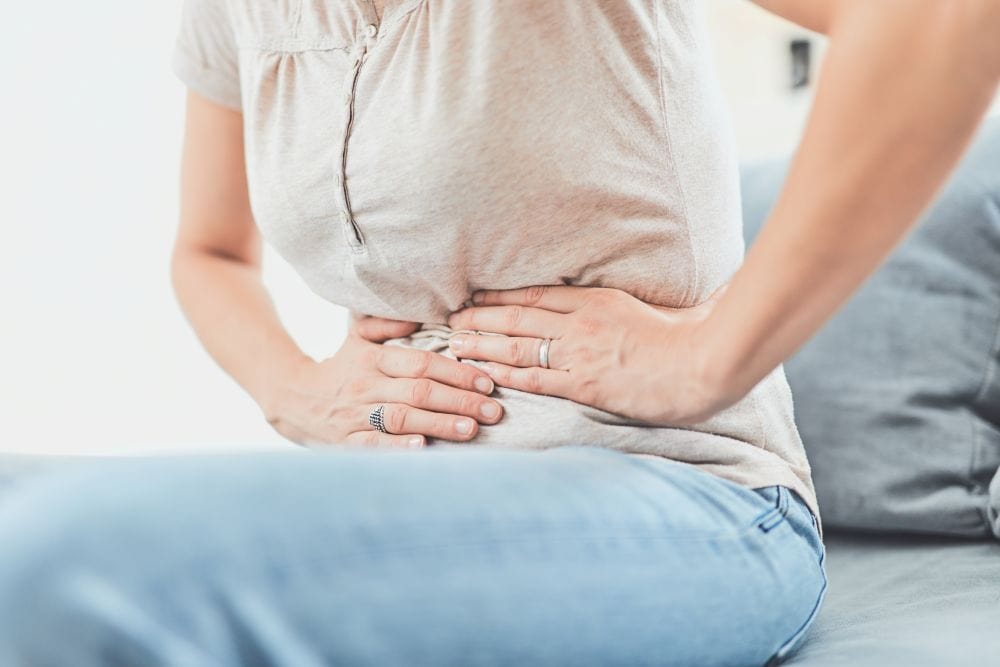
Photo by astrosystem.
Remember learning about the “alimentary canal” in grade school? Starting at the mouth, food comes in, and finishing at the anus, waste goes out. Between those two portals, food goes through many changes as it is broken down and transformed into valuable parts that are absorbed as nutrients and others that are discarded as waste.
You could argue that the whole length of the alimentary canal is actually outside of your body, and that the chief function of this structure is to make sure the good guys are allowed in and the bad guys are 86’ed.
Much of the absorption or rejection of good and bad actors occurs in the intestinal tract, which is lined with millions of cells forming a mucosal barrier that, when healthy, allows nutrients to flow into the bloodstream while unwanted substances are ushered on past as waste.
Causes
Leaky gut occurs when the normally semipermeable lining of the intestines is damaged.
Intestinal hyperpermeability, also known as “leaky gut”, occurs when the normally semipermeable lining of the intestines is damaged and develops gaps that allow unwanted molecules and dangerous bacteria to enter the bloodstream.
Up to 90 percent of needed nutrients are absorbed in the small intestine, but when the lining breaks down, larger particles of undigested food, as well as unwelcome bacteria and other toxins, are absorbed into the bloodstream, triggering an immune response and inflammation, often leading to disease.
The science is not yet clear on how intestinal hyperpermeability comes about. Some camps see it as a standalone condition that can be the cause of other digestive issues, others see it as a symptom of any of a number of digestive diseases, such as Crohn’s Disease, Inflammatory Bowel Disease, Celiac Disease, etc.
In patients suspected to have compromised gut permeability, symptoms often look like those in many other gut issues, and because of leaky gut’s vague status, most doctors will diagnose based on established diseases such as those mentioned above. Whatever the diagnosis, cause or effect, hyperpermeability of the gut lining is a problem and is accompanied by an imbalance in the micro-biome, or ecosystem of trillions of bacteria residing in the alimentary canal.
Also leaving the scientific community somewhat divided is the topic of how to maintain a healthy gut microbiome and how influential the balance of microbes in the gut is to one’s overall health. While more research is warranted, most scientists agree that “dysbiosis”, an unhealthy ratio of bad to good bacteria, is correlated to many health issues, including metabolic syndrome, some cancers, heart disease, and obesity.
Testing
While your provider will likely look for ways to diagnose your digestive issue without specifically identifying hyperpermeability, there are several tests to determine the presence of leaky gut, which may help guide treatment as well as future healthy maintenance of the gut lining.
A urine test for which the patient drinks a solution with molecules normally too big to be absorbed by a healthy gut lining will show hyperpermeability if those bigger molecules disappear into the bloodstream before being eliminated.
A blood test can look at levels of chronic widespread inflammation, immune response, and antibody levels that might indicate infection or disease, often accompanied by leaky gut.
Tissue sampling or viewing the gut lining via an endoscopy can show the physical damage present with intestinal hyperpermeability.
Treatment
A healthy balance of bacteria in the lining of the gut is known to lower levels of inflammation.
The treatments for leaky gut are similar to those for its associated conditions, and often call for improved maintenance of the gut microbiome. A healthy balance of bacteria in the lining of the gut is known to lower levels of inflammation and improve the uptake of nutrients. Not all scientists agree on exactly how to cultivate the ideal gut environment. However, many of the recommendations align with known remedies for many general health and numerous gut-specific concerns.
Eat more pre-biotics, or fiber-rich whole foods. The good bacteria in your gut love to feast on fiber and will work to reduce inflammation when well fed. Humans should consume 30-50 grams of fiber per day.
Consider introducing more pro-biotics into your diet in the form of fermented foods like kraut, yogurt, and most things with “live cultures” on the label. Live foods promote good bacteria, aid in immune system function, and reduce symptoms of indigestion.
Eliminate or severely reduce ultra-processed foods which promote inflammation and have additives that can reduce bacterial diversity. Filling yourself with these empty calories has been shown to lead to bigger populations of damaging bacterial strains in the gut.
Only take antibiotics when necessary and exactly as prescribed. When your course is finished, treat yourself to extra pre and pro biotics to help restore gut balance.
As always with health concerns, lifestyle adjustments are helpful. Avoid overindulgence in alcohol, get more sleep, reduce stress. Get more exercise. Studies show that a brisk walk after a meal can aid digestion.
While more research is needed to determine exactly how to categorize leaky gut, we know enough about its close associates to be able to make diet and lifestyle changes that will turn your gut into a paradise for the good guys. See your healthcare provider for any concerning digestive symptoms. If you don’t have a primary care doctor, SoHum Community Clinic in Garberville is accepting new patients.
Ann Constantino, submitted on behalf of the SoHum Health’s Outreach department.